Financial Inclusion in Kano: Where We Are and Where We're Going
Kano is one of Nigeria's biggest commercial states — and one with significant unbanked populations. Here's the picture, and Bompai's part in changing it.
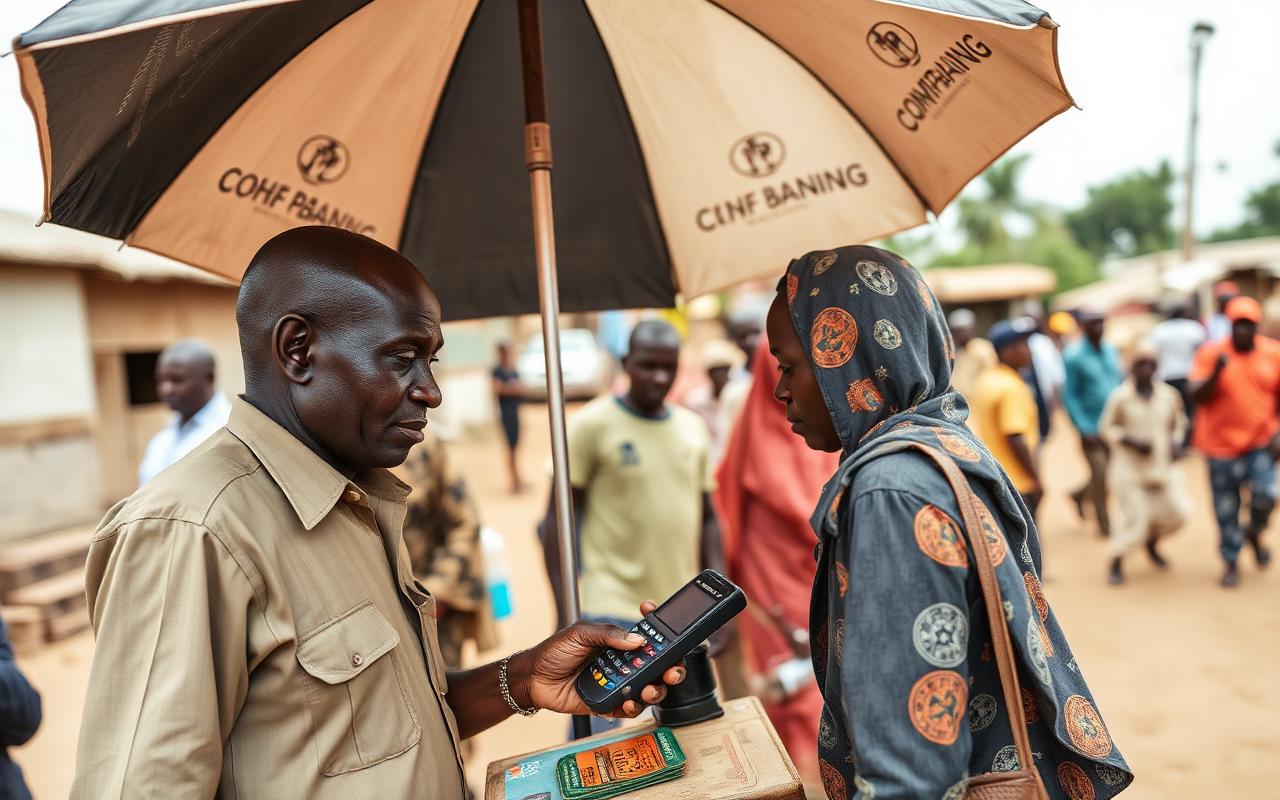
Financial inclusion is more than opening accounts. It means access to a safe place to save, fair credit, secure payments, insurance, and a financial identity that grows with you. Kano State has made real progress on the first of these — and there is much more to do on the rest.
Where Kano stands
Kano is one of Nigeria's most populous states with one of the largest informal economies. Mobile penetration is high, and agent banking has rapidly extended basic services into LGAs that branches never reached. But formal credit, insurance and long-term savings products still serve a small fraction of the addressable population.
What still gets in the way
- Documentation gaps — many adults still don't have a NIN or formal ID.
- Distance — some LGAs have no nearby branch and patchy connectivity.
- Trust — older customers remember failed financial schemes and prefer cash.
- Product fit — many savings and loan products were designed for salaried urban customers, not market traders or farmers.
Bompai's role
- Building out an agent network in Kano LGAs where formal banking is scarce.
- Designing savings products that match Sallah, school terms and harvest cycles.
- Offering credit using group guarantees, not just collateral.
- Conducting customer education in Hausa, in-branch and through community partners.
- Working with cooperatives and associations rather than only individuals.
What success looks like
A successful financial inclusion strategy is not measured by accounts opened but by accounts used — customers transacting regularly, saving consistently, borrowing responsibly, and building a verifiable financial history. That is what Bompai measures, and what we are committed to growing in Kano and across Northern Nigeria.