
Running a POS Business in Nigeria: From Side Hustle to Real Income
A POS terminal can turn a kiosk into a financial services centre. Here's how to do it sustainably — and the mistakes to avoid.
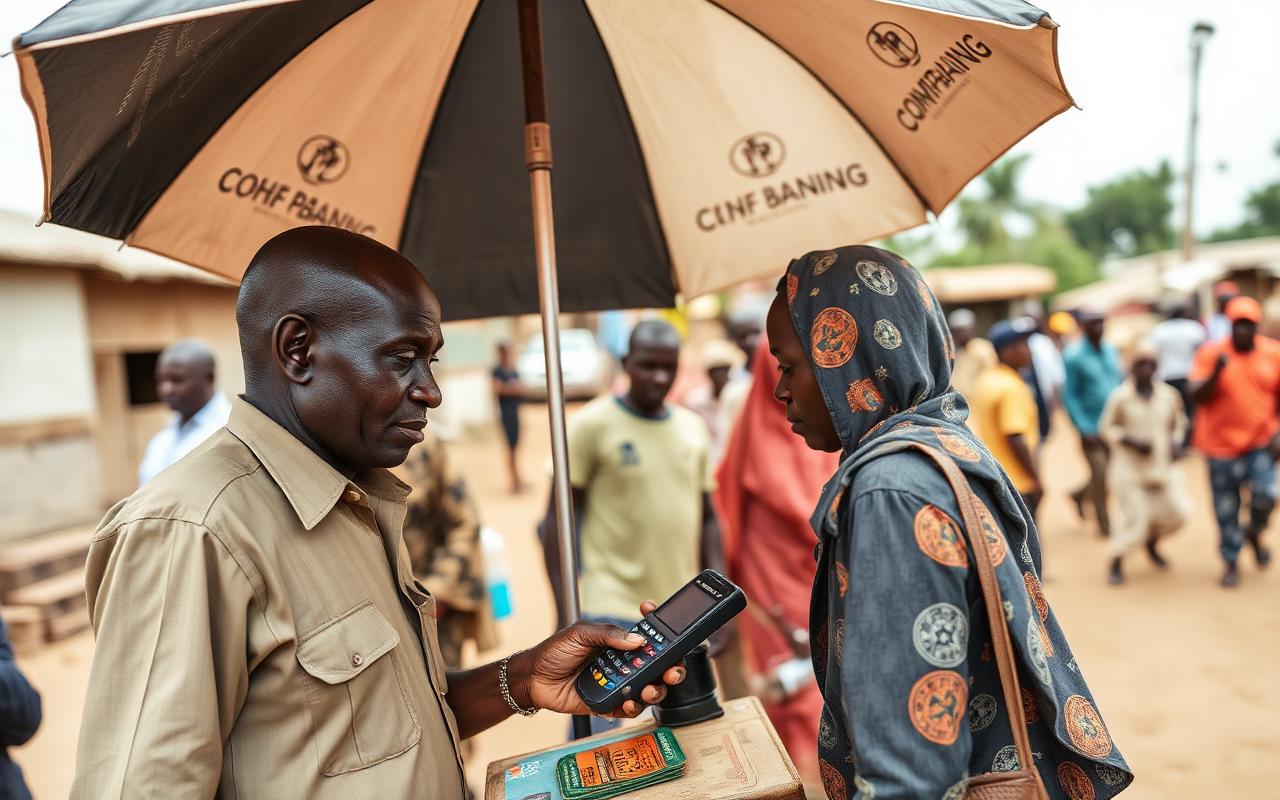
Across Nigeria, POS operators have become a vital layer of the financial system. For many operators it started as a side income; for some it has grown into the main business of the shop. Here's how to build it sustainably with Bompai.
What you need to start
- A registered business location with steady foot traffic — shop, kiosk or counter.
- A valid CAC business name and your personal ID and BVN.
- A Bompai SME Current Account to settle into.
- Working capital — enough cash to fund daily withdrawals.
- A POS terminal approved through Bompai's agent network.
Understanding the economics
POS revenue is per-transaction, and your costs are settlement fees, terminal rental (if any), data, security and float financing. Many operators don't realise that holding float (cash on the counter) has a cost too — it could be earning interest in a Bompai savings account.
Daily habits of successful operators
- Reconcile your terminal every evening — never wait a week.
- Settle your float into your Bompai account daily for safety and visibility.
- Post your tariff visibly so customers know what to expect.
- Never charge above CBN-approved limits — it kills trust and risks deactivation.
- Track which transactions are most profitable and double down on them.
Mistakes that close POS businesses
- Mixing personal and business cash, then losing track of float.
- Keeping too much cash on hand and becoming a target.
- Ignoring receipts and disputes — small problems become chargebacks.
- No backup terminal — one POS down means a day with zero income.
Scaling to multiple locations
Once your single location is profitable, the path to a second is the same checklist with one addition: trustworthy staff and a way to monitor remote terminals from your phone. Bompai's agent dashboard lets you see every transaction across every location in real time.